One Setpoint, Two Glitches: Bistability at the Onset
At a single control setpoint, repeated with full dark recovery between reps, the device alternated between two distinct glitch states — a red/green chroma door and a black-white dither door. A control coordinate maps to a family of glitches, not one.
I was mapping the onset of a glitch — the drive level where a composite signal stops surviving the device and starts coming apart. The setup: a portrait clip paused on the bench, its composite signal run through a glitch device, displayed on a CRT, and filmed off the screen. The control input is optical: four photocell channels paralleled into the device’s control-resistance node, driven electronically. Drive is set per channel as an IREF value from 0 to 15; between repetitions the cells get a 12-second dark recovery so light history doesn’t carry over.
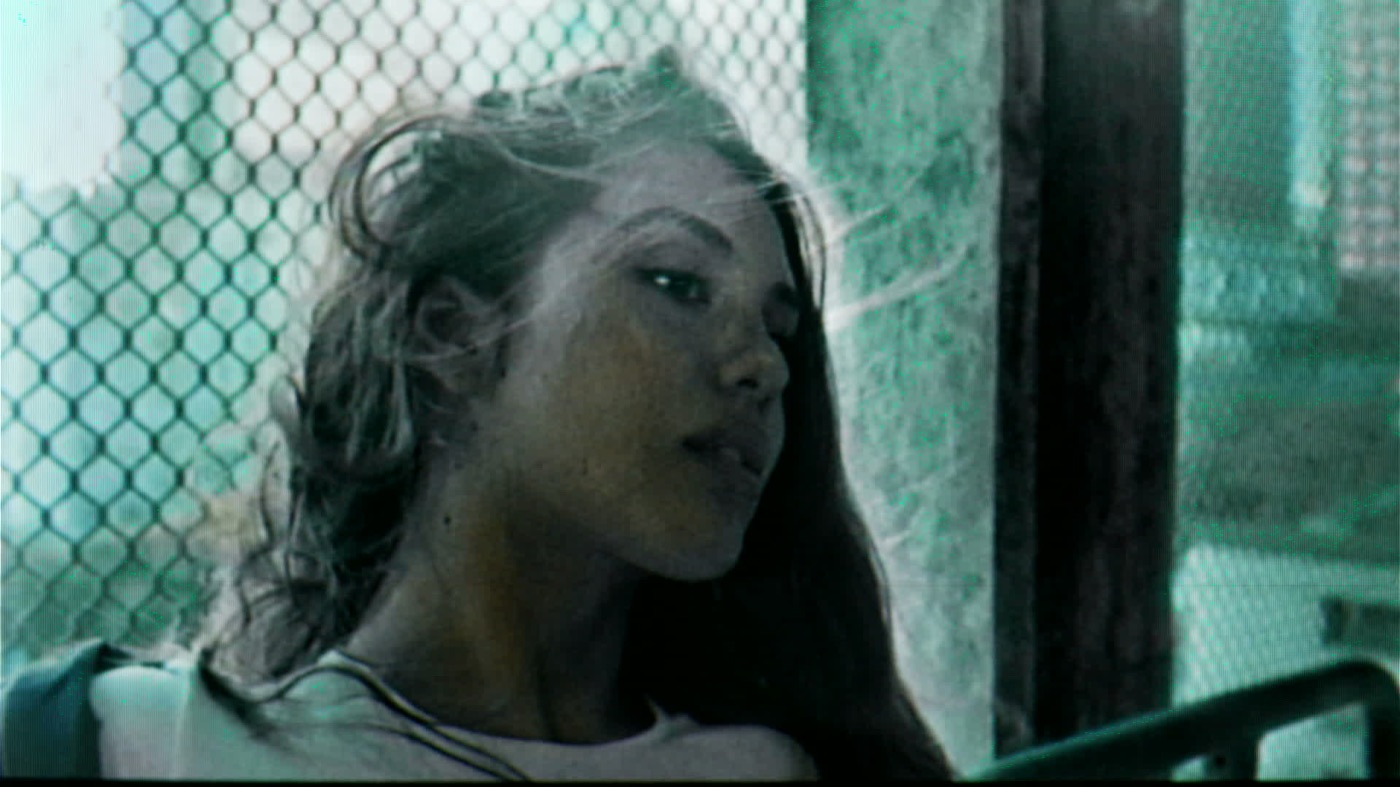 FIG. 1 — Clean baseline, filmed off the CRT. All four channels at IREF 0 (cells off); the signal passes through the device intact.
At IREF 0 the image is clean. Any drive past the onset glitches. The behavior splits into two regimes: a narrow band right at the onset where the interesting structure lives, then a sustained regime of wavy vertical RGB-separated ribbons with sync gone, which only morphs as drive increases. The expressive action is concentrated at the onset.
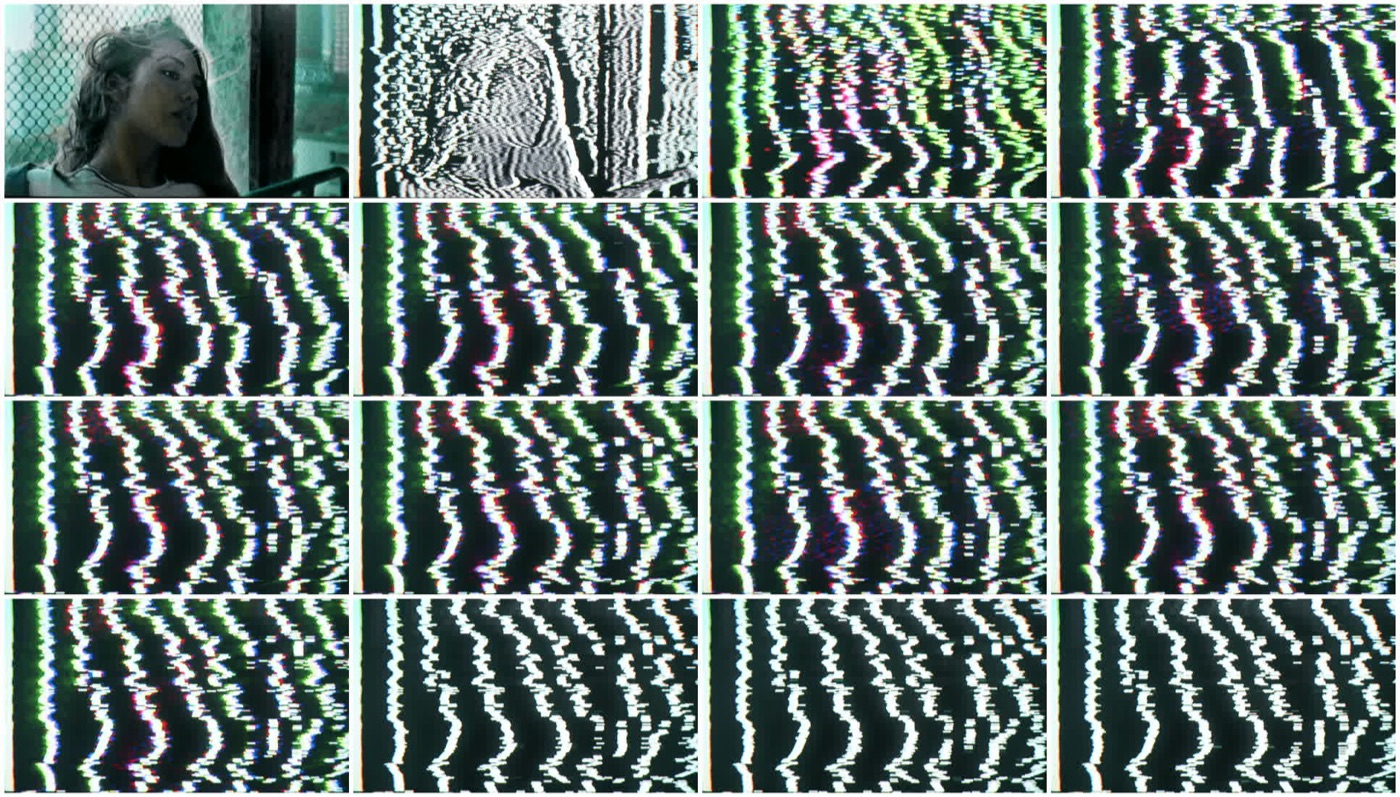 FIG. 2 — Contact sheet of a uniform drive sweep, all channels together, IREF 0 through 15. Frame one is clean; the onset appears immediately after; every level beyond it lands in the wavy-vertical-band regime and stays there.
The finding is what happened when I held the setpoint still. At all channels at IREF 1 — all@1 — repeated with full 12-second dark recovery between reps, the output did not repeat. It alternated, period-2, between two distinct states.
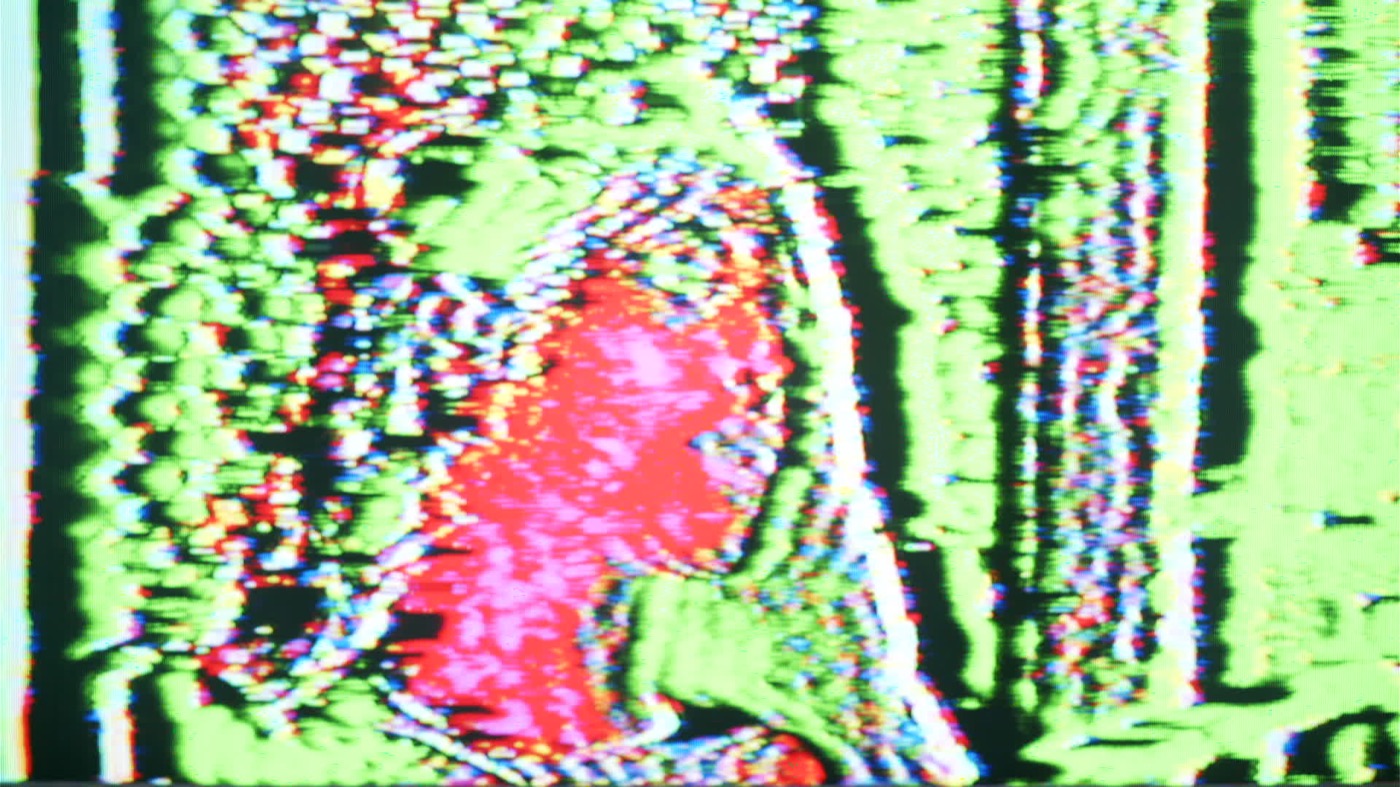 FIG. 3 — The red/green chroma door. Parameters: all@1, after 12 s dark recovery. The subject’s silhouette renders in red/pink against a green field.
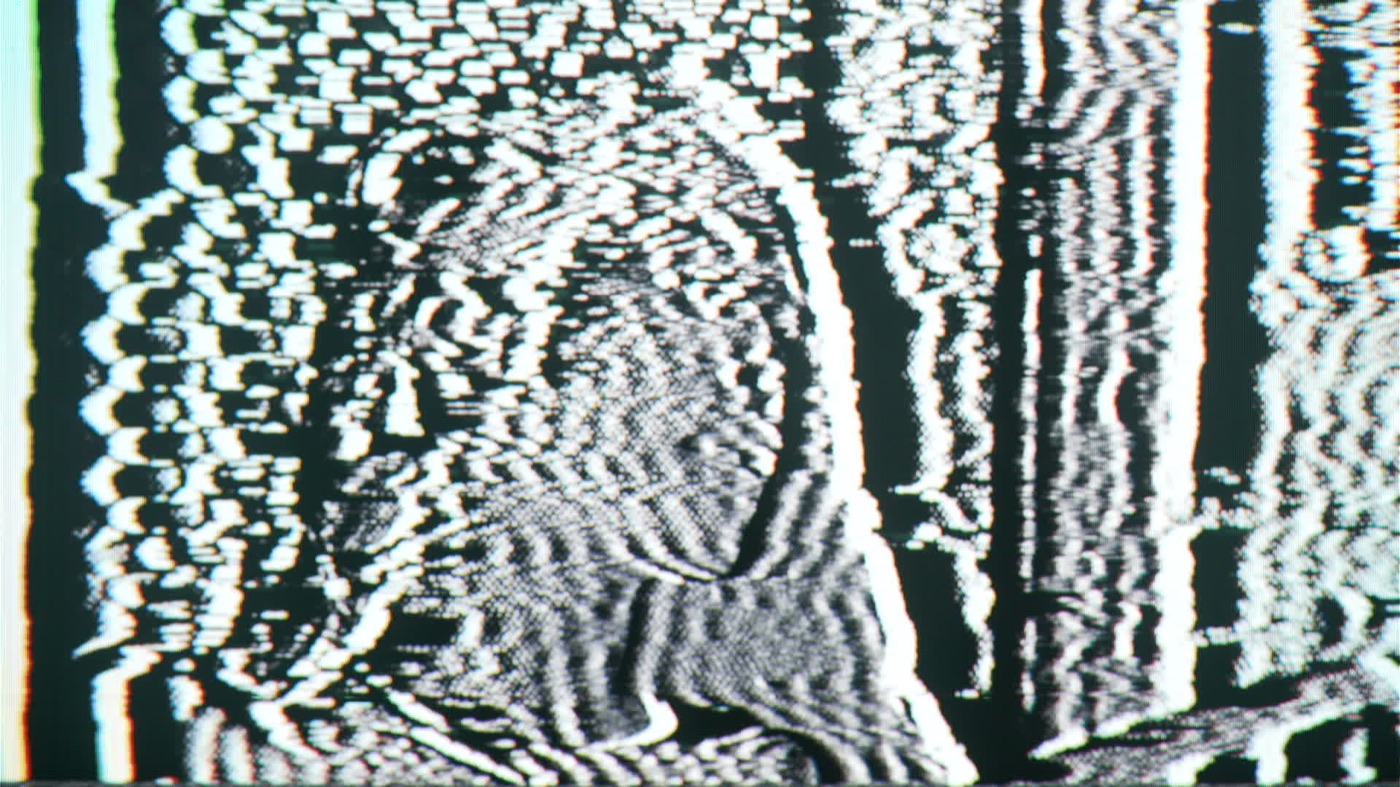 FIG. 4 — The black-white dither door. Parameters: all@1, after 12 s dark recovery — the same setpoint as FIG. 3. The subject renders as a crunchy halftone mesh.
Same control coordinate, same settle procedure, two different pictures, alternating. This is bistability, not noise: two attractor states at one control point, with something toggling between them each capture. The leading suspect is NTSC structure — field parity or the phase of the 3.58 MHz color subcarrier at the moment the capture lands. An earlier third visit to the same setpoint read clean, which points at the second thing this session established.
The threshold moved. Within roughly ten minutes: the first sweep glitched by IREF 1; a probe of the door neighborhood minutes later found all@1 through all@5 all clean, with glitch not arriving until all@8; a re-baseline after that had all@1 glitching again.
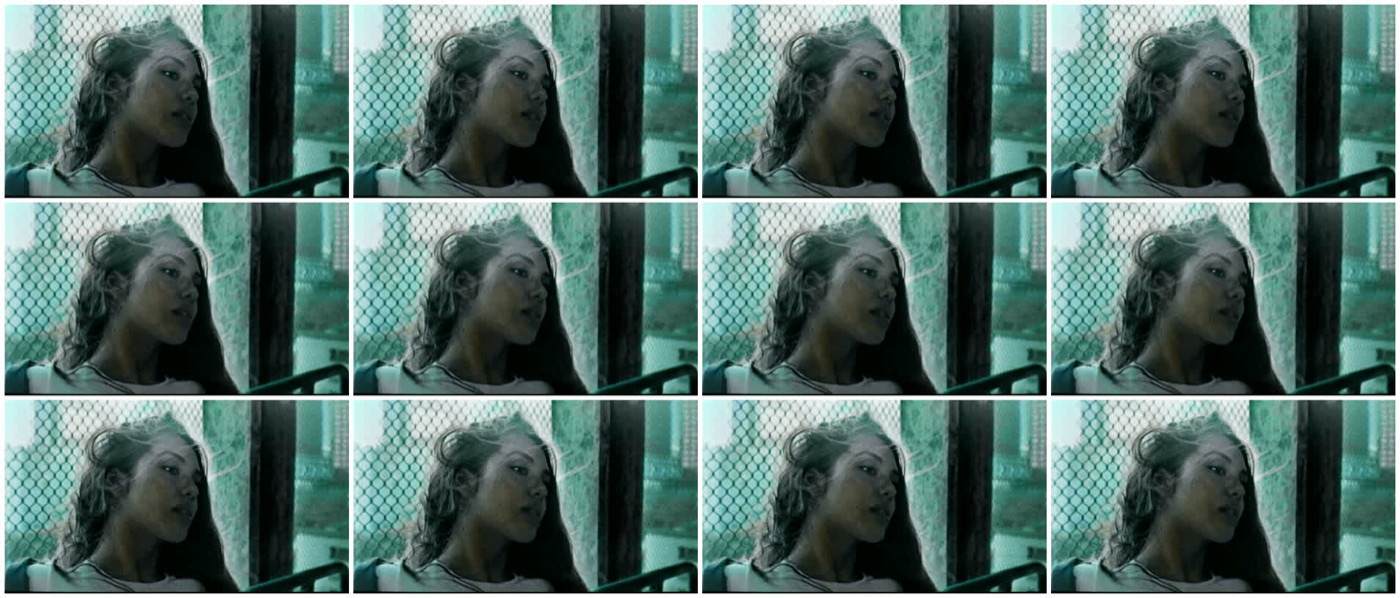 FIG. 5 — Contact sheet from the door-neighborhood probe, staggered drive levels, minutes after the first sweep. Every frame is clean — the same levels that glitched earlier now pass. The cells had been warmed down by the preceding bright sweeps.
Two causes: the device’s manual controls shift the mapping from control resistance to glitch, and they were being adjusted between runs; and the photocells themselves have light-history hysteresis — bright sweeps suppress their dark resistance for a while, so the same IREF lands on a different resistance until they recover. For reproducible work the device has to be locked at one setting and every sweep given a consistent dark-recovery settle.
The implication I care about: a control coordinate does not map to a glitch. It maps to a family of glitches, plus a switching behavior. Any catalog built on single samples is undercounting. Each setpoint has to be sampled N times, recording the set of states observed and how the system moves between them.